
FMBN Strengthens Partnership with ANAN, Advocates Accountants’ Greater Role in National Development
By Corporate Communication•Sep 9, 2026
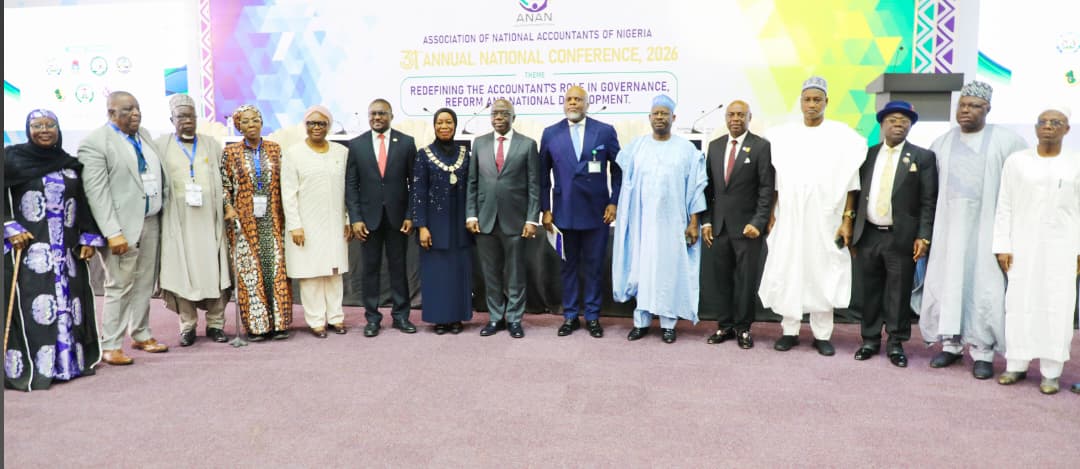
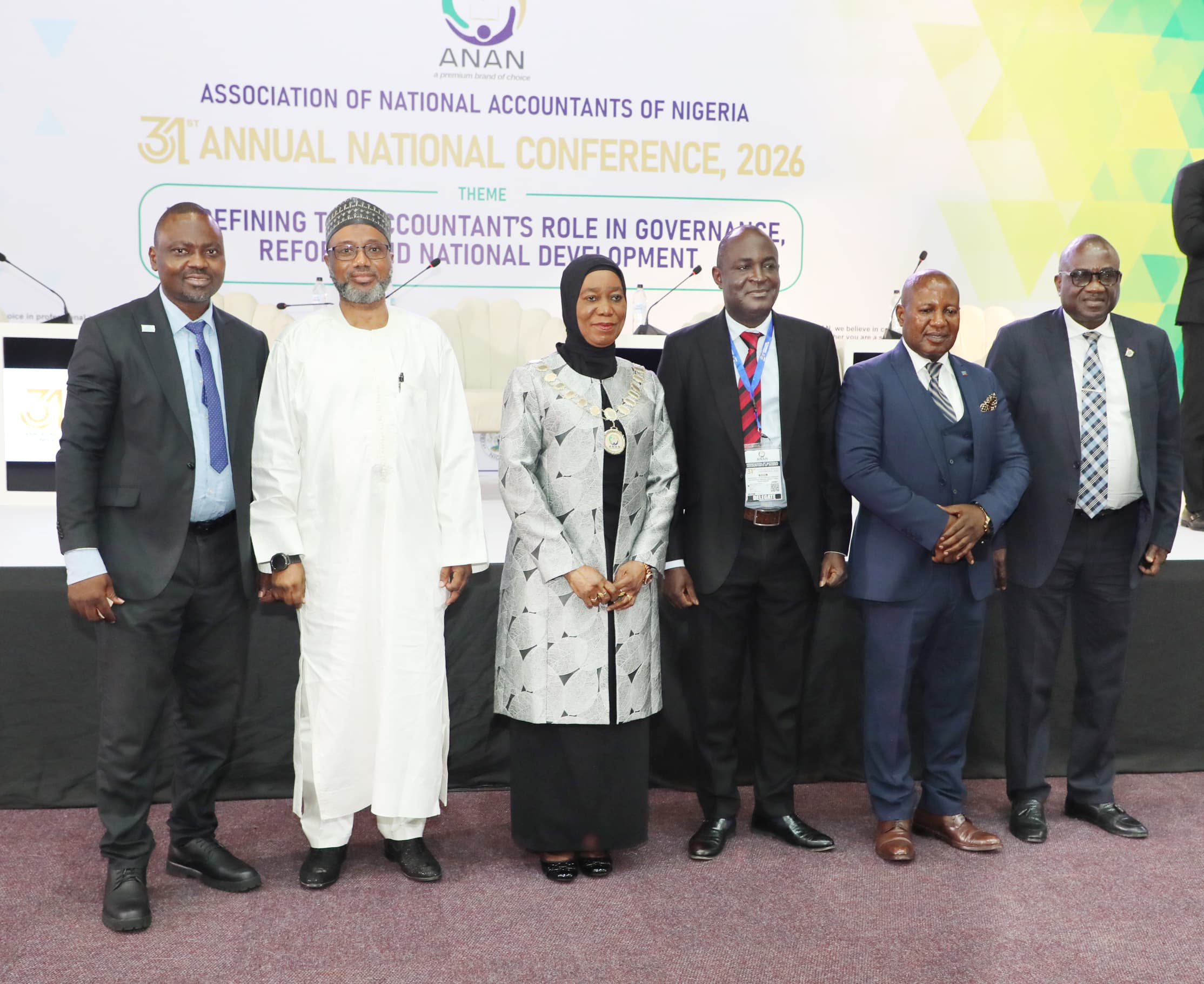
The Federal Mortgage Bank of Nigeria (FMBN) has strengthened its partnership with the Association of National Accountants of Nigeria (ANAN), joining other stakeholders at the Association’s 31st Annual National Conference in Abuja to examine the evolving role of accountants in governance, reforms and national development.
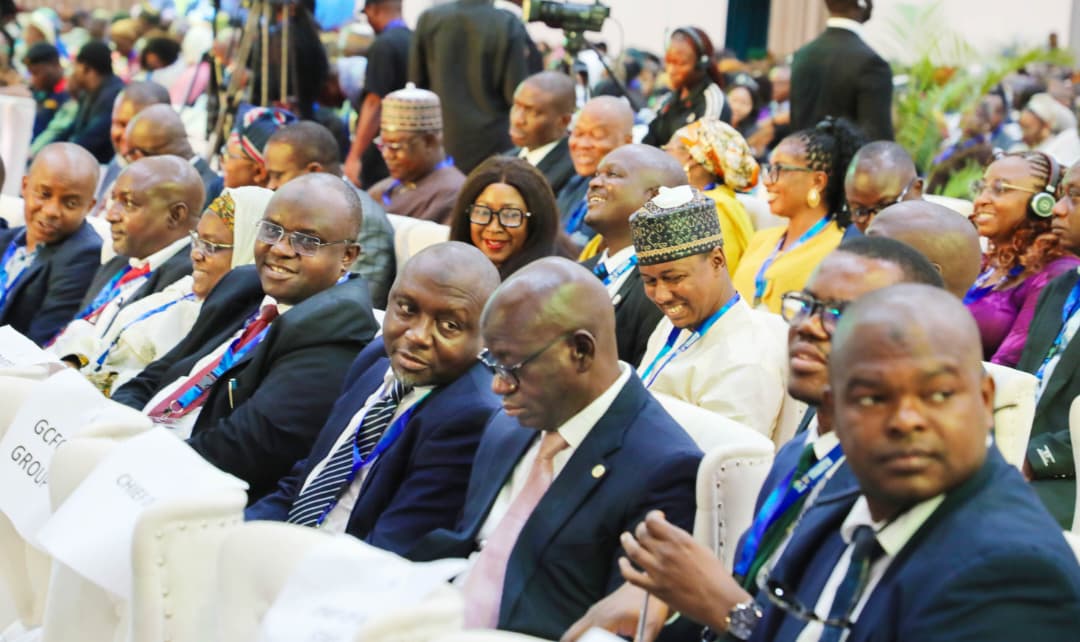
The Opening Ceremony of the Conference, held on Tuesday, September 8, 2026, at the Bola Ahmed Tinubu International Conference Centre, Abuja, brought together senior government officials, accounting professionals, policymakers, business leaders and other stakeholders to deliberate on the evolving role of the accounting profession in Nigeria’s governance, reform and development agenda.
Representing President Bola Ahmed Tinubu, the Accountant-General of the Federation, Dr. Shamseldeen Babatunde Ogunjimi, said Nigeria’s ongoing reforms require accountants to move beyond their traditional role as custodians of financial records and become partners in reform and guardians of public value.
He stated that the quality of financial information had become a governance issue, stressing that government could not plan effectively, allocate resources efficiently or measure performance without reliable and credible financial information.
Dr. Ogunjimi noted that the country must increasingly move from “accounting for expenditure to accounting for results,” with the focus shifting from how much was spent to what was achieved with the resources deployed.
He urged accountants to bring their expertise into policy processes early, challenge assumptions, identify risks, provide evidence and help institutions build systems that make accountability more effective.
The Vice President, Senator Kashim Shettima, was represented at the Conference by the Special Adviser to the President on Economic Affairs, Dr. Tope Fasua.
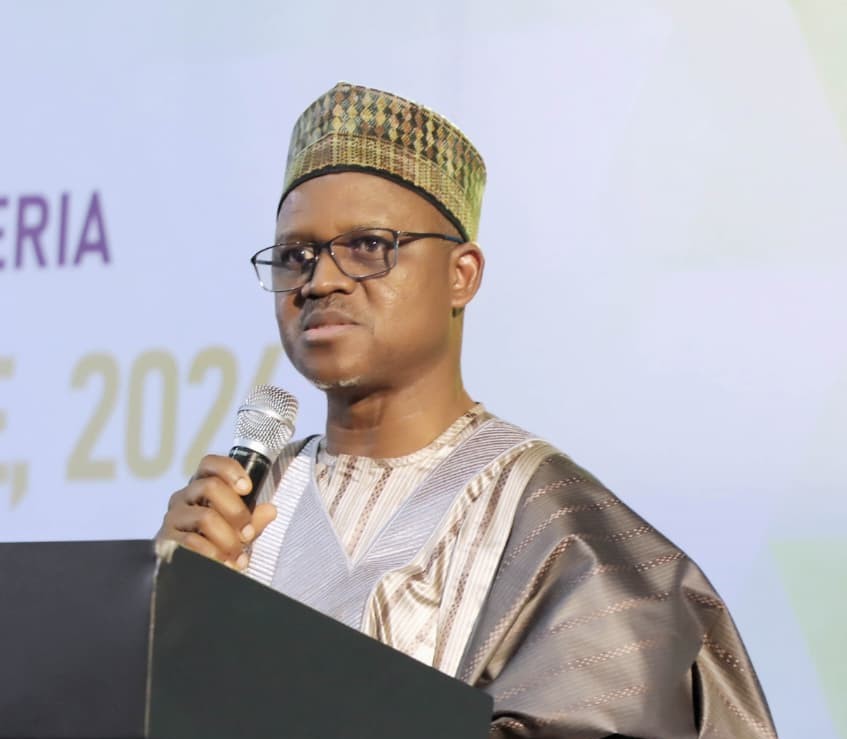
In a goodwill message delivered at the event, the Managing Director/Chief Executive of FMBN, Shehu Usman Osidi, advocated a stronger role for accountants in promoting good governance, driving reforms and advancing national development.
Osidi highlighted the timeliness of the Conference theme, “Redefining the Accountant’s Role in Governance, Reform and National Development,” particularly against the backdrop of ongoing reforms across Nigeria’s public sector and broader economy, noting that successful reforms require disciplined implementation, measurable outcomes and sustainable value.
He urged accountants to move beyond recording what has happened and become active contributors to institutional decision-making, particularly in ensuring that resources are properly managed and translated into measurable development outcomes.
He noted that this responsibility was especially important in an institution such as FMBN, where financial resources are mobilised and deployed to support access to affordable housing, requiring sound financial management, accountability and effective deployment of funds to ensure that such resources ultimately deliver meaningful homeownership opportunities for Nigerians.
“Housing finance is not simply about money; it is about how money is mobilised, managed, protected and deployed to produce tangible social and economic outcomes,” he said.
The FMBN Chief Executive further highlighted the strong relationship between FMBN and ANAN, noting that many staff of the Bank are members of the Association and contribute their expertise to financial management, internal controls, risk management, project evaluation and institutional decision-making.
Earlier, the President and Chairman of Council of ANAN, Chief Hajia Zuwairat Talatu Kishimi, said the changing national environment, including tax and fiscal reforms, digital transformation and increasing demands for measurable results, required the accounting profession to rethink its role.
Chief Kishimi advocated what she described as “accountability by design,” where accountants are involved early enough to test assumptions, identify risks, assess costs and establish how results would be measured.
She charged accountants to ensure that their expertise influences decisions while they can still shape outcomes, rather than merely explaining their financial consequences afterwards.
Joe Abuku
Group Head, Corporate Communications